Revamp and Renew: Upcycling DIYs That Save Money and the Planet
Imagine turning discarded items into treasures, reducing your environmental footprint, and saving your hard-earned money, all at once. Welcome to the creative world of upcycling! In this comprehensive guide, we're diving deep into practical, stylish, and easy upcycling DIY projects that help you transform your living space, boost your savings, and contribute to a greener planet.
What Is Upcycling?
Upcycling is the creative process of giving new life to materials or products that would otherwise be considered waste. Unlike recycling, which usually breaks down materials to create something new, upcycling revamps the original object into something of higher value or better quality. This practice is a win-win, maximizing resources while minimizing environmental impact.
- Upcycling reduces landfill waste.
- It saves the energy and resources needed for manufacturing new products.
- Encourages creativity and self-expression.
- Helps you save money by reusing and repurposing what you already have.
Why Upcycling DIY Projects Matter
Making the effort to upcycle at home wields a surprisingly broad impact. Consider these significant advantages of integrating upcycling DIYs into your life:
- Economic Savings: By reusing old objects, you can dramatically cut down on household spending.
- Environmental Benefits: Upcycling diverts waste from landfills and reduces demand on natural resources, which is healthier for the planet.
- Personalized Home Decor: Unique, upcycled pieces add character and tell your personal story.
- Educational Opportunities: These projects teach families and children about sustainability and resourcefulness.
Global Impact of Upcycling
It's estimated that roughly 2.01 billion tonnes of solid waste are generated annually worldwide. By upcycling through DIY projects--even at a small scale--you contribute to a global movement toward a more sustainable and responsible future.
Getting Started: The Basics of Upcycling for Beginners
Diving into upcycling DIY projects doesn't require specialized skills or expensive tools. With a fresh eye, a bit of imagination, and simple household items, anyone can begin upcycling today. Here's how to get going:
- Inventory Your Waste: Before throwing things away, evaluate their potential for a second life. Items like glass jars, old clothing, wooden pallets, and tin cans make excellent upcycling bases.
- Gather Essential Supplies: Start with basics such as scissors, glue, paint, screws, sandpaper, and your creativity.
- Learn Techniques: Explore painting, decoupage, sewing, and basic carpentry. Countless online tutorials and DIY blogs make learning new methods simple.
- Define Your Vision: Think about your home's needs--what storage, decor, or organization solutions do you lack that you could craft?
Tip: Join local upcycling workshops or online communities for inspiration and guidance.
Upcycling Inspiration: Creative DIY Projects That Save You Money
Ready to roll up your sleeves? Here are several practical and innovative upcycling DIY ideas to try. Each project's core mission is to revamp, renew, and save--on both cash and resources.
1. Transform Glass Jars Into Chic Storage
- How-To: Wash and remove labels from glass jars (pasta sauce, jam, or pickles). Paint lids or wrap with twine for a rustic look. Use for bathroom storage, spice organization, or as pretty vases.
- Why Upcycle: This simple act keeps glass out of landfills and provides low-cost, charming storage solutions.
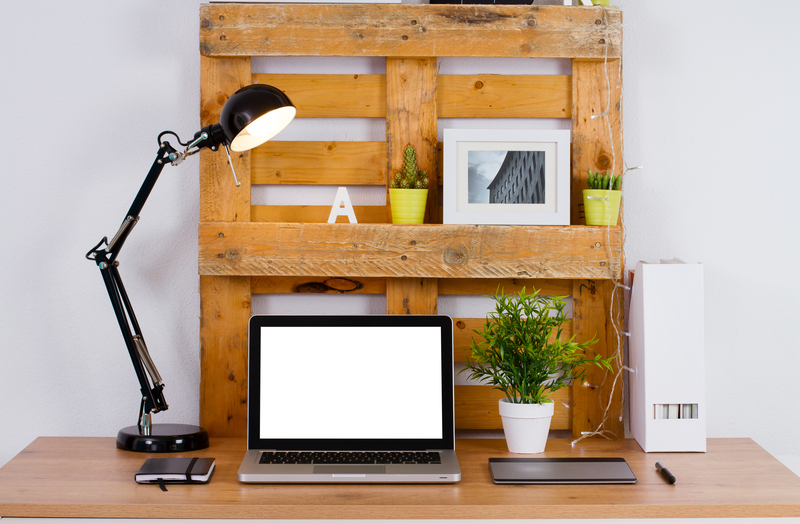
2. Repurpose Wooden Pallets Into Furniture
- How-To: After cleaning and sanding old pallets, stack and secure them to create coffee tables, bookshelves, or even outdoor sofas. Paint or stain for added style.
- Benefit: Wooden pallets are sturdy and versatile, making them perfect for durable furniture without the price tag of retail items.
3. Revamp Old T-Shirts Into Tote Bags
- How-To: Cut the sleeves and neckline from an old t-shirt, invert it inside out and sew the bottom together. Flip it right side out, and your tote is ready!
- Why It Works: This approach reduces textile waste and creates reusable shopping bags, saving you money and slashing single-use plastic usage.
4. Upcycle Tin Cans Into Planters
- How-To: Clean your empty tin cans, drill drainage holes in the bottom, paint or decorate them, then fill with soil and your favorite plants.
- Purpose: Eco-friendly planters bring color and life to your window sills, balconies, or gardens.
5. Turn Old Drawers Into Shelves
- How-To: Remove and paint old dresser drawers. Mount them on the wall for instant, quirky shelving. Keep the knobs for extra charm.
- Tip: These make excellent book nooks, spice racks, or display shelves.
6. Create Decor from Wine Corks
- How-To: Glue together wine corks to create trivets, bulletin boards, or wall art. Paint or stain for customized style.
- Eco-Bonus: Wine cork crafts are a smart way to repurpose waste and make personalized gifts.
7. Upcycling Furniture With Paint and Wallpaper
- How-To: Rescue tired tables, chairs, or cabinets with a fresh coat of eco-friendly paint or by lining drawers with leftover wallpaper samples.
- Result: Your old furniture gets a second life, helping you sidestep costly replacements while reducing consumption.
Eco-Friendly Upcycling: Sustainable Materials and Tips
For a greener approach to your upcycling DIY projects, always consider the sustainability of every material and process. Here's how to maximize your environmental efforts:
- Use Non-Toxic Paints: Opt for low VOC (volatile organic compounds) or water-based paints and finishes.
- Source Second-Hand Tools and Materials: Check local thrift shops, salvage yards, or community swaps before buying new supplies.
- Choose Renewable Resources: Work with bamboo, reclaimed wood, or other sustainable bases when possible.
- Repurpose Packaging: Cardboard boxes, paper tubes, and packing peanuts are all potential materials for creative projects.
Green Disposal
If a material is truly at its end of life and can't be upcycled, ensure it's disposed of responsibly, through recycling programs or eco-friendly waste management services.
Organizing and Decorating Your Home With Upcycled Creations
Upcycling isn't just about function--it's also about beauty! Here are a few ways to incorporate DIY upcycled decor into your spaces:
- Gallery Walls: Use vintage frames, old mirrors, and fabric scraps to create a statement wall of upcycled art.
- Entry Organization: Craft coat hooks from old cutlery or wooden spools for a whimsical effect.
- Unique Planters: Repurpose teacups, boots, or light bulbs as mini gardens for an eclectic touch.
- Lighting: Convert mason jars, colanders, or wire baskets into pendant lamp shades.
Your creativity will shine while your home becomes a true reflection of your commitment to the planet and smart spending.
Upcycling for Gift-Giving: Meaningful and Sustainable Presents
Handmade upcycled gifts possess a personalized charm, telling a story far more meaningful than store-bought items. Some beloved upcycled gift ideas include:
- Mosaic Trays: Use broken crockery to decorate trays or tabletops.
- Eco Candles: Pour beeswax into vintage teacups for elegant, reusable candles.
- Fabric Banners or Buntings: Repurpose old shirts or linens for festive or celebratory decorations.
- Customized Planters: Personalize painted pots or decorated jars with names, messages, or favorite motifs.
Packaging Tips
Wrap gifts in reusable fabric, vintage scarves, or even newspaper comics for extra sustainability. Every detail adds charm and cuts waste.
Teaching Kids the Joy of Upcycling DIYs
Upcycling projects offer excellent opportunities for learning and play for children of all ages. Here are some simple ideas to do with your kids:
- Cardboard Castles: Gather boxes, tubes, and egg cartons to craft castles or playhouses.
- Custom Art Supplies: Fill jars with homemade playdough or upcycle bottle caps as painting stamps.
- Animal Planters: Decorate plastic bottles or cans with animal faces and add plants for whimsical decor.
- Story Stones: Paint pebbles with pictures to inspire creative storytelling.
These activities teach environmental responsibility, problem-solving, and creative thinking in a fun, engaging manner.
How to Upcycle Safely
- Clean Materials Thoroughly: Remove labels, sanitize, and allow items to dry before crafting.
- Use Protective Gear: Wear gloves, masks, or protective eyewear as needed, especially when sanding, painting, or using power tools.
- Work in Well-Ventilated Areas: Avoid inhaling fumes or dust by opening windows or working outside.
- Supervise Kids: Ensure safe handling of tools and materials during children's upcycling projects.

Upcycling as a Lifestyle
Making upcycling part of your routine offers long-term rewards:
- Community Engagement: Join or start local upcycling groups, swap meets, or communal crafting nights.
- Continuous Learning: Subscribe to upcycling blogs, magazines, and YouTube channels for ongoing inspiration.
- Mindful Consumption: Upcycling naturally makes you more conscious of what you buy and what you throw away.
Every small effort accumulates. The more often you upcycle, the more skills you develop, the more you save, and the lighter your impact on the planet.
Conclusion: Saving Money and the Planet, One Project at a Time
Upcycling DIYs are more than just crafts; they are a revolution in sustainable living. By revamping the resources around us, we infuse our homes with character, creativity, and consciousness. The financial savings and positive environmental impact are undeniable.
Start simple, stay curious, and share your victories. Each project is a step toward a cleaner planet and a fuller wallet. Ultimately, upcycling is about seeing potential where others see waste--and that vision can transform not just objects, but our world.
Ready to revamp and renew?
Dive into your next upcycling DIY! With every innovative, eco-friendly project, you're saving money, enriching your home, and helping the planet thrive.