Skip Hire in Haringey

Skip hire in Haringey is a practical way to manage waste from home improvements, clear-outs and building work when you need a straightforward container on site for mixed non-hazardous rubbish. Our service covers a range of skip sizes and collection options, giving households, trades and property managers a simple way to keep waste in one place, sort it more effectively and avoid repeated trips to a disposal site.
We support a clear, organised process from choosing the right skip to understanding where it can be placed and what may need extra care. If you are comparing skip hire options for a kitchen refit, a garden overhaul or a construction project, the aim is to match the container to the material and the space available. That makes the arrangement easier to plan, especially where access, timing or loading method matters.
You can start by reviewing skip sizes and prices to get a better sense of what different capacities are suited to, then decide whether a standard drop-off or a more restricted loading approach is the better fit. If you already know you need a basic quote, keep your waste type, location and preferred timing to hand. For the final step, pricing and quotes is a useful place to request more detail.
Domestic Skip Hire for House Projects
Domestic skip hire is often chosen for jobs that create bulky or awkward waste over several days rather than in one quick load. Typical examples include bathroom strips, loft clearances, replacing old flooring and garden redesigns. The service works best when the waste is reasonably predictable and you want one container that can stay in place while the work progresses, rather than relying on a series of smaller removals.
Our domestic service can suit homeowners, landlords and tenants managing permitted clear-outs, provided the waste is suitable for a skip. Materials such as timber, metal, rubble, plastic, packaging and general household debris are commonly planned for, while restricted items need separate handling. If you are unsure whether a particular item is acceptable, it is sensible to check the guidance first so the load is prepared properly and collection is not delayed.
For straightforward domestic planning, a short checklist helps:
- estimate the main waste types before ordering;
- consider whether the skip will sit on private land or need street access;
- separate items that may require special disposal;
- allow room for safe loading and a clear collection point.
Builders Waste and Construction Loads

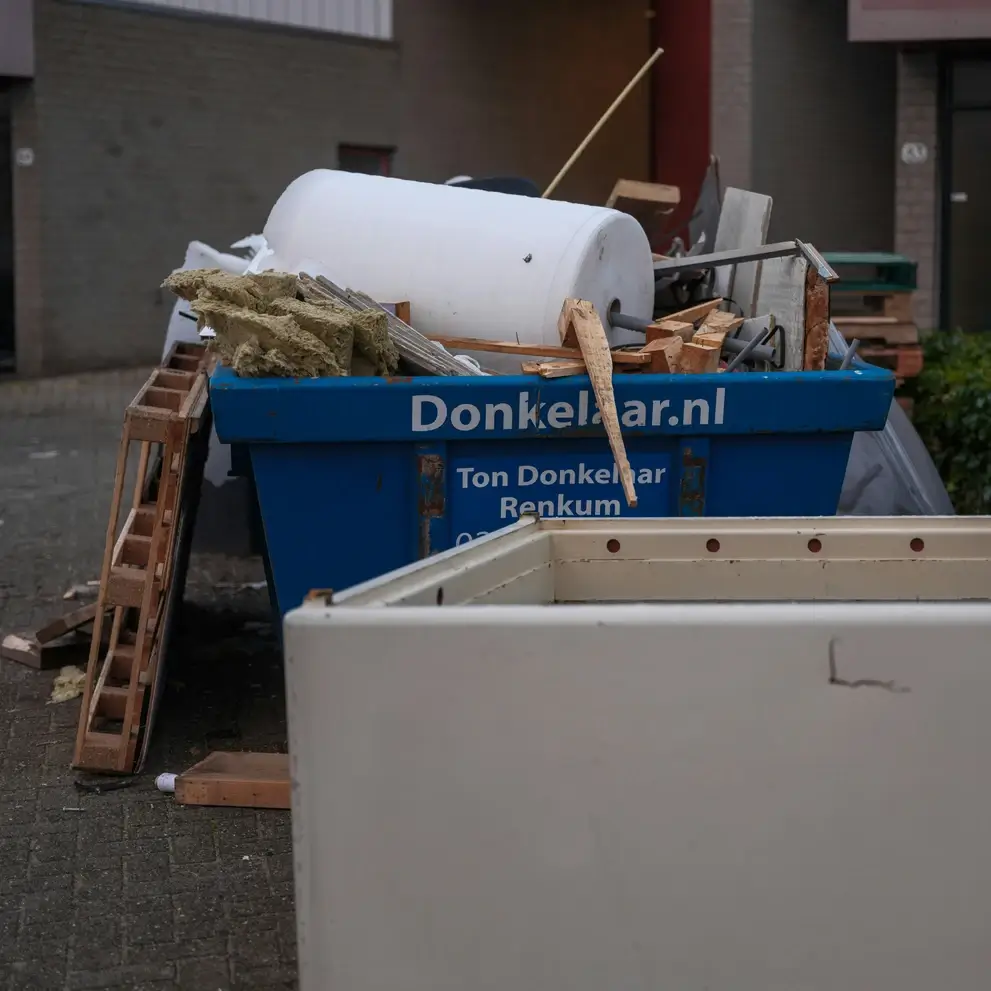
Builders waste disposal is about handling the heavier, more varied material that comes from refurbishments, demolition preparation and general construction activity. This often includes brick, plasterboard, soil, timber offcuts, packaging and broken fixtures. A skip can be an efficient solution where waste is generated throughout the day, because it supports steady loading and keeps the work area clearer and safer to move around.
For trades and site managers, the main decision is usually whether a skip is the best match for the waste stream and the working space. On some projects, builders skip hire is the obvious option because it suits ongoing site waste and gives a central point for disposal. On others, a broader service such as construction waste disposal may be more appropriate when waste handling needs are more varied or need to be combined with other clear-up arrangements.
Waste type, weight, access and loading method all influence how the job is planned. Heavy inert materials behave differently from light mixed rubbish, and that affects both the usable capacity of the skip and how quickly it fills. Careful sorting can help avoid wasted space, especially when a project produces a mixture of dense rubble and lighter packaging. If the material mix is unusual, it is worth describing it clearly before the hire is arranged.
Site Clearance and Larger Waste Jobs
Site clearance is useful when waste is spread across an outdoor or indoor area and needs removing as part of a larger tidy-up or project handover. It can support the removal of loose rubbish, mixed debris, discarded fixtures and accumulated waste from managed properties, workshops or development areas. Where the volume is substantial, the right approach may combine container-based disposal with other collection methods.
Some customers prefer a skip because it allows waste to be loaded over time, while others need a more immediate clear-out. In that case, services such as site clearance or grab hire services may be relevant depending on the type of material and how the waste is presented. The right choice is usually driven by access, the amount of waste and whether the load is made up of one material or several different kinds.
When planning a larger waste job, it helps to think about where the waste is coming from, how easy it is to load and whether there are items that need special treatment. That can include heavy broken materials, mixed commercial rubbish or debris left behind after stripping out a space. A sensible plan keeps the job moving and helps avoid unnecessary handling later.
Garden Waste and Outdoor Clearances
Garden waste removal is a useful part of skip hire when a project includes hedge cutting, branch clearance, turf replacement or the general renewal of an outside space. A skip can take a wide range of green and non-green garden materials, provided the load is suitable for disposal and does not contain restricted items. It is often chosen where the work produces more than a handful of bags and the waste is likely to build up over several stages.
Outdoor jobs can also create awkward bulky pieces such as fencing timber, broken sheds, old pots, soil and general garden debris. If you are comparing options, garden waste removal may be the better fit where the waste is lighter or already piled for collection, while a skip can be more convenient when the work will run over a few days. The best option depends on the layout of the property and the kind of waste being generated.
Garden projects are easier to manage when the main waste is separated in advance and likely contaminants are removed from the pile. That does not need elaborate preparation; it simply helps keep the load orderly and reduces the chance of unsuitable items being mixed in. For many households, a simple plan and a clear drop-off point are enough to keep the project moving.
Skip Permits, Access and Placement
Where a skip is going to sit on a public road or another shared access area, permit rules can become part of the planning. The need for approval depends on where the skip will be placed and which authority controls the space. If the skip can go on private land, the process is usually simpler; if not, it is important to check the requirements before the container is arranged so that placement stays compliant.
Our pages on skip permits and skip hire permits are useful if you need to understand the basics of roadside placement and the practical differences between private and public siting. Access can also affect the job in other ways, including vehicle room, doorway width and whether the skip can be positioned close enough for convenient loading. Those details are worth raising early because they influence the whole hire plan.
If access is tight, a lighter or more flexible loading method may be preferable. In some cases, a wait-and-load arrangement can avoid the need for a long roadside stay, while in others a standard skip remains the most practical answer. The right decision is usually the one that keeps the collection point safe, usable and realistic for the property.
Waste Types, Recycling and What Can Go in a Skip
Understanding what may go in a skip helps avoid delays and keeps the load suitable for transport and processing. General mixed waste from domestic or building work is often accepted, but certain items need separate handling because they are hazardous, bulky in a specialist way or governed by different disposal rules. Clear guidance is important, especially when several people are adding waste to the same container.
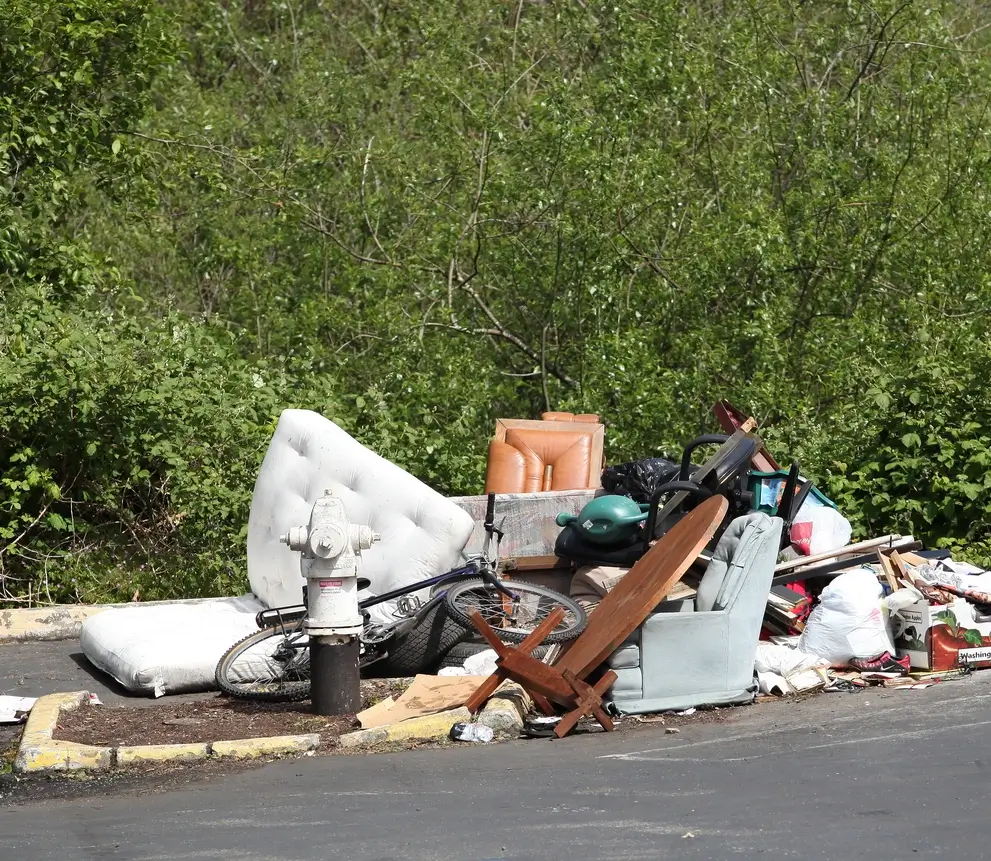
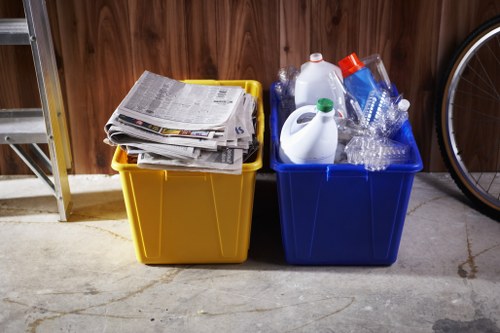
The page what can go in a skip gives a practical starting point for common materials and restricted items, while waste recycling services explains how suitable waste can be directed into recycling pathways where possible. If your load contains items such as fridges, mattresses, sofas or confidential paperwork, it is better to check the relevant specialist options rather than assume they can all go together in one standard container.
Clean separation is not only about compliance; it also improves the quality of the load. A skip filled with sensible waste is easier to manage than one mixed with items that need extra treatment. When preparing the waste, small changes in sorting can make a noticeable difference to the ease of loading and the quality of the disposal route.
About Haringey
Haringey is a London borough in North London, formed in 1965 from the merger of the former municipal boroughs of Hornsey, Tottenham and Wood Green. It stretches from the residential streets and commercial centres around Wood Green and Tottenham to the higher ground and greener northern edge near Highgate, Muswell Hill and the border with the London Borough of Barnet. The borough includes a wide mix of Victorian terraces, interwar housing estates, post-war residential streets and modern developments, reflecting the different phases of growth that shaped this part of the capital. Alexandra Palace stands out as one of Haringey’s most recognisable landmarks: a major entertainment venue and historic building set in extensive parkland on the ridge above the borough. The palace first opened in the nineteenth century and remains closely associated with panoramic views across London. Another defining feature is the River Lee Navigation along the eastern side, which links towpaths, water infrastructure and industrial history in a corridor that has changed considerably over time. Green space is also an important part of the borough’s character, with places such as Finsbury Park on the southern edge, Tottenham Marshes to the east and Highgate Wood to the west providing open landscapes within a densely built urban area. Cultural life in Haringey is varied, drawing on local high streets, community venues, historic pubs, theatres and music spaces, while the borough’s transport links, including several Underground and rail stations, connect its neighbourhoods to central London and neighbouring districts.
Commercial Skip Hire for Businesses

Commercial skip hire is suited to offices, shops, landlords, managed premises and organisations that need a clear way to handle recurring or one-off waste from trading activity. The waste might come from refits, routine maintenance, store changes, stockroom clear-outs or the end of a tenancy. A skip gives businesses a controlled place to keep unwanted material together instead of allowing it to spread across the site or become difficult to manage.
For some business customers, a commercial skip hire arrangement is enough on its own. For others, a more specialised service such as office clearance may be more suitable when the job involves desks, chairs, fixtures or a fuller internal clear-out. The correct choice depends on the waste stream, the available space and whether the material is mainly general rubbish, office items or mixed refurbish waste.
Before ordering, it helps to prepare a brief summary of the waste, access point and preferred timing. That does not need a long report, just enough detail to make the arrangement accurate. If the waste is sensitive, bulky or awkward to move, mention that at the start so the recommended option matches the work. Contact us to request a quotation when you are ready to discuss the details.
Specialist Waste, Safety and Clear Pricing
Not every project fits neatly into a standard mixed-waste skip. Some loads need a more specific approach because of the materials involved, the way they are packed or the rules around transport and disposal. That is where specialist services can help, whether the job concerns bulky household items, hazardous material, appliance disposal or confidential paper. Matching the service to the waste keeps the process cleaner and more manageable from the outset.
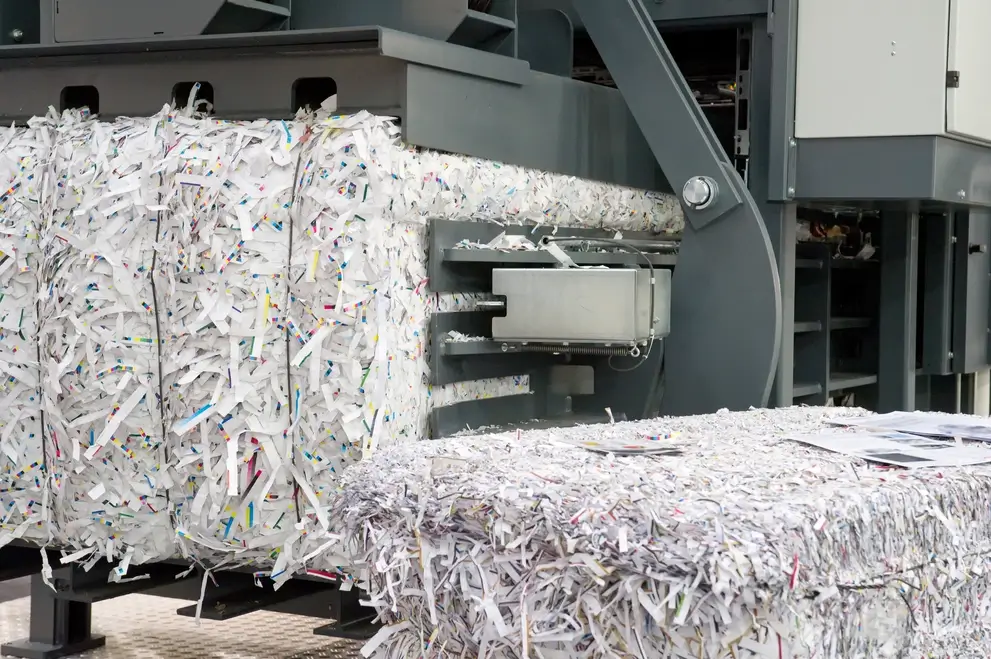
Useful supporting pages include hazardous waste disposal, fridge and appliance removal, mattress and sofa disposal and confidential shredding. These services exist for waste that should not simply be placed in a standard skip without checking the rules first. If your project includes several waste types, it may be practical to separate them into different disposal routes so each stream is handled appropriately.
Pricing is usually affected by the kind of material, how much waste needs taking away, where the skip will be placed and whether any extra handling is required. A clear description of the load is usually enough to produce a sensible estimate. If you are comparing options, keep the final step simple: choose the service that matches the waste, then ask for a quotation once the details are clear. Short, accurate information usually leads to a better recommendation.